Drone operations manual (MANEX): A guide to safe operations (2026)
What a drone operations manual covers, why it matters and how the requirements differ between STS-01 and STS-02.
Contents
- Introduction to the operations manual for remote pilots
- What an operations manual is
- Why the manual is required under STS-01 and STS-02
- Structure of an operations manual based on the EASA STS template
- Detailed operating procedures (Part B)
- The operations manual and safety management (SMS)
- What to cover for STS-01
- What to cover for STS-02
- The operations manual and remote pilot responsibilities
- How to write an effective operations manual
- The operations manual during an inspection
- FAQ about operations manuals and drone operations
- Conclusion: The operations manual and professional credibility
Introduction to the operations manual for remote pilots
An operations manual, also known as a MANEX, is central to professional drone operations. For remote pilots flying under STS-01 or STS-02, it supports safe operations, regulatory compliance and professional credibility. It shows how the operator manages risks, organizes flights and meets the requirements of EASA and, in France, the DGAC.
The manual assigns responsibilities, sets out procedures and provides a reference during an incident or inspection.
What an operations manual is
What does MANEX mean?
MANEX stands for manuel d’exploitation in French. MyDroneDoc also calls it the operations manual. It is a regulatory document that describes a drone operator’s operating procedures, organization and safety arrangements. It sets out how flights are planned, conducted and reviewed.
What the manual is for
- Keep people and property safe.
- Meet the relevant regulatory requirements.
- Standardize operating practices.
- Demonstrate that the operator has a professional approach.
Why the manual is required under STS-01 and STS-02
EASA and DGAC requirements
Under STS-01 and STS-02, the operator must demonstrate how they manage:
- Operational risks
- The flight environment
- Emergency procedures
- Human factors
The operations manual is the reference document for audits, operational declarations and on-site inspections.
Consequences of a missing or non-compliant manual
An incomplete or missing manual can lead to:
- Rejection of an operational declaration
- A ban on flying
- Administrative penalties
- Criminal liability in the event of an accident
Structure of an operations manual based on the EASA STS template
General information about the operator
Part A – General formally identifies the UAS operator and sets out the regulatory framework for the operation.
It includes:
- The UAS operator’s details
Operator registration number, legal name, address, legal representative and official contact details. - The applicable regulatory framework
References to EU Regulations 2019/947 and 2019/945 and to the EASA acceptable means of compliance and guidance material (AMC and GM) applicable to STS operations. - The operator’s missions
A description of the UAS operations performed, such as inspection, photogrammetry, filming or surveillance, in line with the scenarios declared. - The operational scenarios covered
The operations conducted under STS-01 and/or STS-02 and the general operating limits that apply.
This section also includes the safety commitment, the privacy policy under the GDPR and the environmental policy.
Internal organization and responsibilities
This section describes the operator’s organizational structure and how responsibilities are assigned in line with EASA requirements.
It covers:
- The accountable manager
Ultimately responsible for safety, regulatory compliance and the management of UAS operations. - The safety lead (Operations or SMS)
Responsible for risk analysis, safety occurrence follow-up and lessons learned. - The technical, maintenance and training lead
Responsible for continuing airworthiness, staff training and the technical compliance of the fleet. - The remote pilot in command (RPIC)
Responsible for conducting the flight, following procedures and ensuring the immediate safety of the operation. - Additional staff, where applicable
Assistants, observers and camera operators, with clear roles, responsibilities and decision-making authority.
The operator can include an organizational chart as an annex or reference it in this section.
Competency and training management
The manual defines the minimum standards that each person must meet to be fit to operate.
This section covers:
- Regulatory qualifications
A1, A2, A3, STS-01 and STS-02 qualifications and the required theoretical and practical training, as applicable. - Initial training
Training in line with Part D, including operating procedures, the emergency response plan (ERP) and regulations. - Recurrent training and competency maintenance
Periodic training, recent flight experience requirements and regulatory updates. - Operational fitness
Health, fatigue, duty hours and rest periods within the limits set out in the manual.
Detailed operating procedures (Part B)
Mission preparation and planning
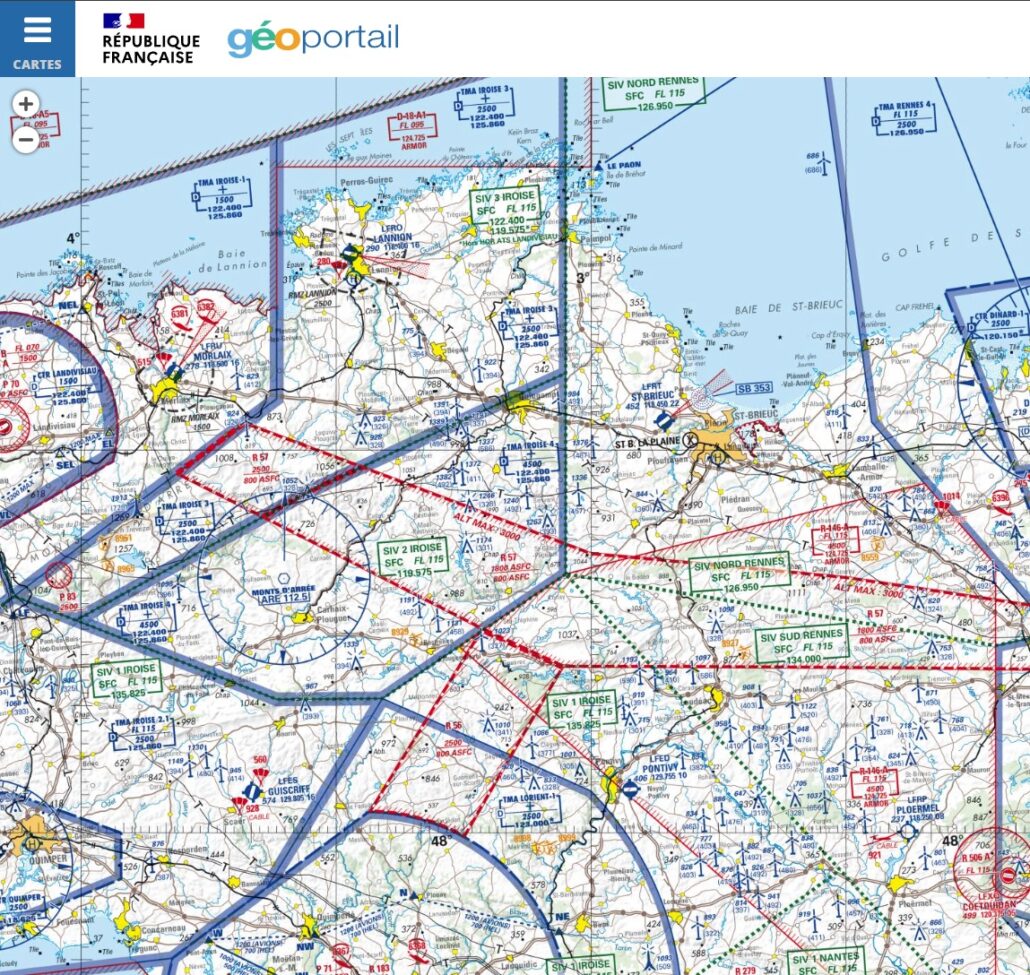
Before each flight, the remote pilot follows a planning process that covers:
- The operating environment
Flight area, operational volume, safety buffer and the presence of uninvolved people. - Airspace checks
Checking UAS geographical zones and temporary or permanent restrictions. - NOTAMs and aeronautical information
Using current official sources. - Operational risk assessment
Checking that the planned scenario is consistent with the safety assumptions, using the simplified risk assessment described in the manual.
Flight checklists
The operations manual calls for standard checklists that the team follows using the read-and-do method. MyDroneDoc subscribers can find checklists in the Useful Documents section. The checklists should be appended to the manual.
They cover:
- Pre-flight inspection
UAS condition and configuration, environment, command and navigation systems. - Before take-off
Clear operating area, verified settings and a crew briefing where required. - In flight
Monitoring flight parameters, airspace, weather and the ground. - Post-flight inspection
Checking equipment condition and updating the technical logbook.
Failures, contingencies and emergencies
The manual sets out how to respond to abnormal situations, including:
- Abnormal UAS behavior or loss of control
For example, a flyaway or lateral or vertical drift. - Loss or degradation of GNSS
Assessing the effect on automatic functions and taking back manual control. - Intrusion by uninvolved people or aircraft
For example, another UAS or a crewed aircraft entering the operational volume. - Unexpected adverse weather
Interrupting or safely ending the operation.
For each situation, the manual specifies standard callouts, immediate actions for the remote pilot in command and priorities that put safety first.
The operations manual and safety management (SMS)
How the manual supports safety management
The manual supports a Safety Management System (SMS) through:
- Hazard identification
- Risk assessment
- Mitigation measures
- Lessons learned, recorded in a CRESUS report
Safety culture
An effective manual encourages occurrence reporting, continuous improvement and remote pilot accountability.
What to cover for STS-01
Under STS-01, the manual focuses on operations in populated areas, uninvolved people on the ground, safety distances and procedures for interrupting a mission.
What to cover for STS-02
Under STS-02, the manual focuses on beyond-visual-line-of-sight (BVLOS) operations, command and control links, airspace observers and mission continuity.
The operations manual and remote pilot responsibilities
The remote pilot is responsible for following the operations manual. Following an incident, the manual provides a reference for assessing the actions taken, whether procedures were followed and how risks were managed.
How to write an effective operations manual
Good practices
- Use clear and precise language.
- Adapt the manual to the operations you actually conduct.
- Avoid generic copy and paste.
- Update it when regulations or operations change.
Common mistakes
- Writing a manual that is too theoretical.
- Including unrealistic procedures.
- Omitting version control.
- Describing procedures that differ from how flights are conducted.
The operations manual during an inspection
During a DGAC inspection, the operations manual must be available, current and consistent with the operations declared.
Useful references
Generate and maintain your operations manual with MyDroneDoc
European Union Aviation Safety Agency (EASA)
FAQ about operations manuals and drone operations
Does every remote pilot need an operations manual?
Yes, for professional operations under the standard scenarios.
Can I use a template?
Yes. Adapt it to your actual operations.
How often should I update it?
Update it whenever a procedure, equipment or scenario changes, or when the applicable rules change.
Does the DGAC have to approve my manual?
The manual must meet the applicable requirements and be available for inspection.
Does the manual replace the risk assessment?
The manual incorporates and complements the risk assessment.
Does a self-employed remote pilot need one?
Yes, a solo remote pilot operating under the standard scenarios also needs a manual.
Conclusion: The operations manual and professional credibility
For remote pilots operating under STS-01 and STS-02, the manual helps manage safety, document procedures and build trust with clients and authorities. A well-written manual reflects how the operator actually prepares for and conducts flights.